So, you're thinking about a tiny home here in Fort Collins? It's a big trend, and for good reason. People are looking for more affordable living, less stuff, or maybe just a cool guest house or rental unit in their backyard. But before you grab a hammer and start watching YouTube videos, let's talk about what's really involved. It's not just a shed on wheels, folks.
Before You Even Sketch a Floor Plan: The Nitty-Gritty
First things first: zoning and codes. This is where a lot of tiny home dreams hit a snag, especially in a place like Fort Collins. Our city has pretty specific rules about accessory dwelling units (ADUs) – which is what most tiny homes on foundations would be considered – and even stricter ones for tiny homes on wheels. You can't just park one anywhere and call it home. You'll need to check with the city's planning department. Are you looking to put it in your backyard as an ADU? There are size limits, setback requirements, and design standards. Is it going to be on a foundation or on wheels? That makes a huge difference. A tiny home on wheels is often seen more like an RV, which has its own set of parking and occupancy rules. Don't skip this step. Seriously, it's the most common mistake I see people make.
Next up, utilities. How are you getting power, water, and sewer to this thing? If it's an ADU, you'll likely need to tie into your existing services, which can involve some serious trenching and plumbing work. If it's off-grid, you're talking solar, water catchment, and composting toilets – all of which have their own regulations and costs. This isn't just about hooking up a garden hose; it's about making sure your tiny home is legally and practically livable.
The Build: Where DIY Ends and Pro Begins
Alright, you've cleared zoning, you know how you're getting utilities. Now for the actual build. What can you realistically do yourself? A lot, if you're handy and have the time. Framing, insulation, interior finishes – these are all things a capable DIYer can tackle. I've seen some impressive work from folks who put in the hours and learned as they went. Things like painting, installing flooring, building custom cabinets – those are definitely within reach for many homeowners.
But then there are the critical systems. Electrical, plumbing, and HVAC. These are not areas where you want to cut corners or guess. A bad electrical job isn't just a fire hazard; it can fail inspection, costing you more in the long run. Same goes for plumbing – you don't want leaks or frozen pipes when the Fort Collins winter hits hard. For these, I always recommend bringing in licensed professionals. They know the codes, they have the right tools, and they'll do it safely and correctly. You might save a few bucks trying to wire it yourself, but the peace of mind and safety of having a pro do it is priceless.
Foundations are another big one. If your tiny home is on a permanent foundation, you need it done right. Given our expansive clay soils in parts of Fort Collins, a proper foundation design and pour is crucial to avoid settling issues down the road. This isn't a DIY job unless you're a structural engineer or have serious concrete experience. Even for a tiny home, it's a significant structural element.
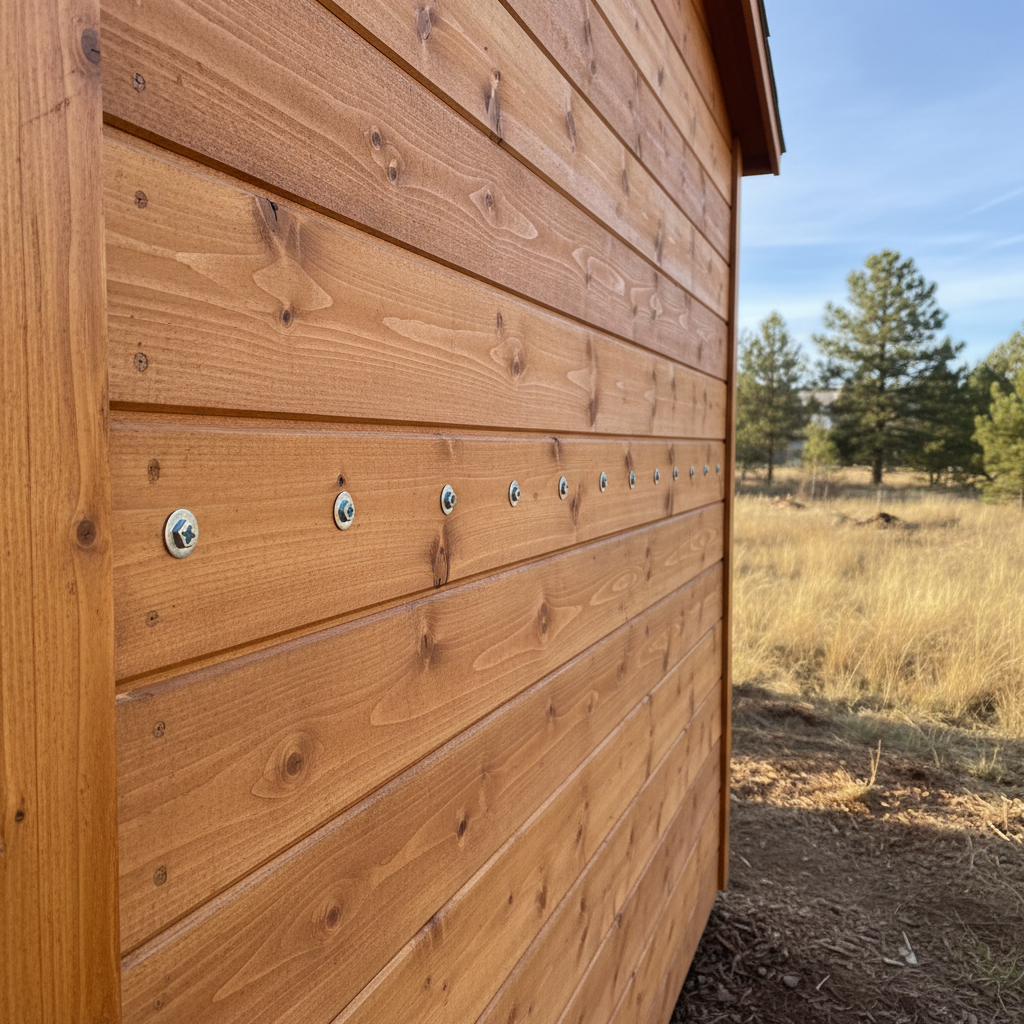
Then there's the shell. While you can frame it yourself, getting the exterior weather-tight is critical. Roofing, siding, and proper window installation are key to keeping out the elements and maintaining energy efficiency. If you're not confident in your ability to flash windows and doors perfectly, or install a leak-proof roof, it's worth hiring a pro for those specific tasks. We build a lot of custom sheds at Fort Collins Custom Sheds, and even on those, getting the shell right is paramount.
After the Build: Living and Maintaining Your Tiny Space
So, your tiny home is built, inspected, and you're ready to move in or rent it out. What now? Maintenance. Just like any home, it needs upkeep. Because it's tiny, every inch counts, and any issue can feel magnified. Regular checks on your plumbing, electrical, and HVAC systems are important. Keep an eye on your roof and siding for any signs of wear or damage, especially after a rough hailstorm, which we get plenty of around here.
If you've gone the DIY route for most of the build, you'll have a good understanding of how everything works, which is a huge advantage for maintenance. You'll know where the shut-off valves are, how the electrical panel is laid out, and how your specific insulation was installed. But don't be afraid to call in a specialist if something goes beyond your comfort level. It's better to address a small problem early than let it become a big, expensive one.
Ultimately, a tiny home project is a marathon, not a sprint. It's rewarding, but it demands careful planning, realistic expectations about your own skills, and knowing when to bring in the experts. Do your homework, ask lots of questions, and don't be afraid to get your hands dirty – but know your limits. That's how you build something you'll truly love.