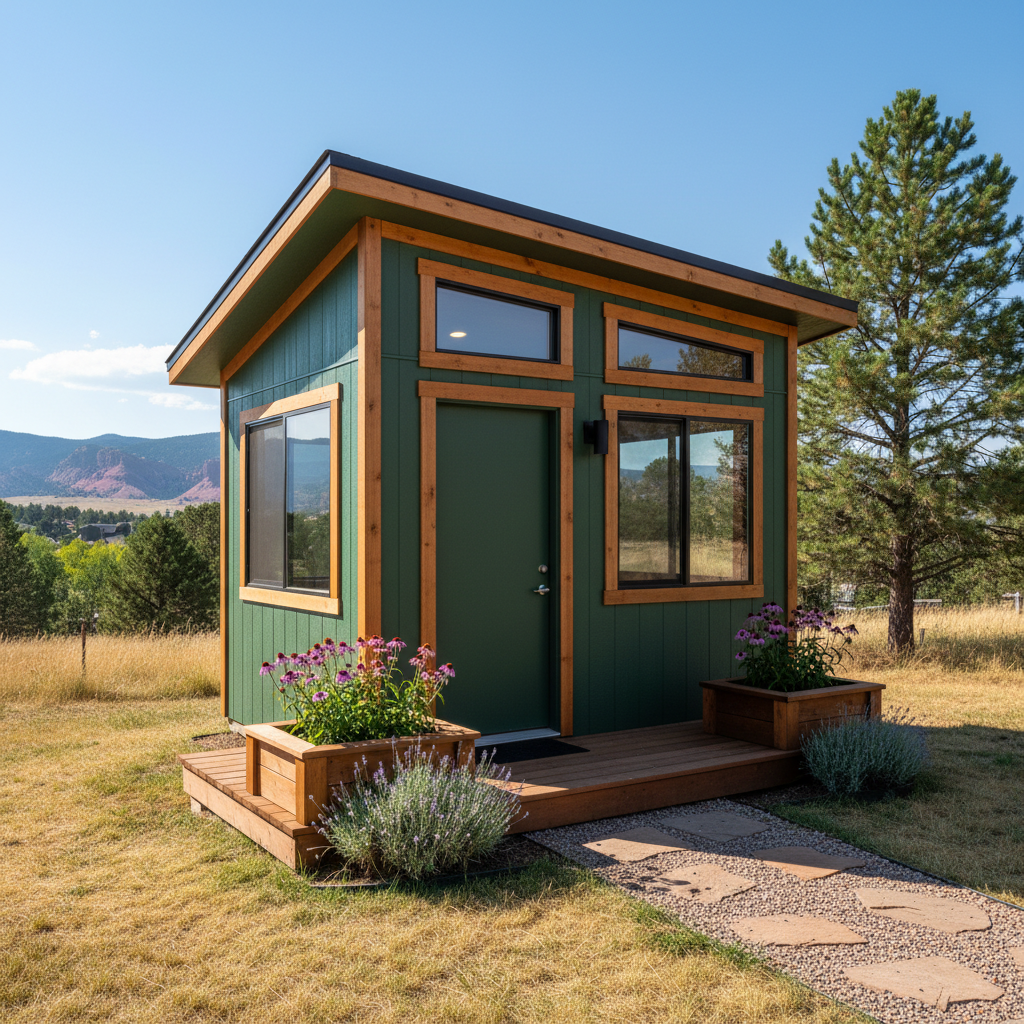
So, you've got yourself a great office shed, maybe even one we built for you at Fort Collins Custom Sheds. It’s a fantastic way to expand your workspace without moving or doing a huge addition. But just like your house, these sheds aren't 'set it and forget it.' They need a little love to keep them looking good and functioning well, especially with our crazy Colorado weather.
Extending Your Office Shed's Lifespan
The biggest thing you can do to make your shed last is pretty simple: protect it from the elements. Here in Fort Collins, we see everything from scorching summer sun to heavy snow loads and those intense hailstorms. That's a lot for any structure to handle.
First off, think about your roof. If it’s asphalt shingles, you'll want to check them annually. Look for missing, cracked, or curled shingles. Those are weak points where water can get in. If you've got a metal roof, it's usually less maintenance, but still check for loose fasteners or any signs of rust developing, especially around penetrations like vents. Clearing off snow after a big storm isn't a bad idea either, especially if it's a flatter pitch. That heavy, wet snow we get can really stress the structure.
Next up is the exterior siding. Whether it's wood, engineered wood, or something else, paint and caulk are your best friends. A good quality exterior paint job isn't just for looks; it's a protective barrier. I recommend repainting every 5-7 years, maybe sooner if your shed gets a lot of direct, unfiltered sun exposure all day. Check the caulking around windows, doors, and trim pieces. If it's cracked or pulling away, recaulk it. Water finding its way behind siding is a recipe for rot and bigger problems down the line.
Don't forget about the foundation. Most of our sheds sit on concrete piers or a gravel pad. Make sure water isn't pooling around the base. Good drainage is critical. Sometimes, just adding a little more gravel or adjusting a downspout can make a huge difference.
Regular Maintenance Checklist
Here’s what I tell folks to do regularly to keep their office sheds humming:
- Monthly: Quick visual check. Look for anything obvious – a loose piece of trim, a branch leaning on the roof, or anything unusual.
- Quarterly: Clean out gutters and downspouts. Our cottonwood trees can really fill them up fast. Make sure water is flowing freely and away from the shed. Check door and window seals for drafts.
- Annually (Spring or Fall): This is your big check-up. Inspect the roof thoroughly. Check all siding for cracks, peeling paint, or soft spots. Look at the foundation for any settling or erosion. Test all windows and doors to ensure they open and close smoothly. Lubricate hinges if needed. Give the interior a good clean, too – dust can build up in electronics.
- Every 2-3 Years: Power wash the exterior gently to remove dirt and mildew. Be careful not to blast water directly into seams or under siding.
And if you've got an AC unit or heater in there, follow the manufacturer's maintenance schedule for those. Changing filters is usually a simple, but often forgotten, task.
Warning Signs You Shouldn't Ignore
Catching problems early saves you money and headaches. Here are some things that should get your attention:
- Water stains on the ceiling or walls: This is a big one. It means you've got a leak somewhere, and water damage spreads fast.
- Musty odors: Often indicates mold or mildew growth, usually from a hidden leak or poor ventilation.
- Soft spots or discoloration on siding or trim: Could be rot. Poke at it gently with a screwdriver. If it's soft, you've got a problem.
- Doors or windows sticking or not closing properly: This might mean the shed is settling unevenly, or there's structural movement.
- Pest droppings or chewed wood: Critters love warm, dry spaces. Mice, squirrels, even carpenter ants can do a lot of damage if left unchecked.
- Cracks in the foundation: Small hairline cracks are often fine, but large, spreading cracks or cracks that go all the way through need a professional eye.
Especially with our expansive clay soils around parts of Fort Collins, foundation issues can sometimes pop up. If you notice doors or windows getting progressively harder to open or close, or significant new cracks, don't just ignore it.
When to Call a Professional
Look, I'm a big believer in DIY, but there are times when you need to bring in someone with specialized knowledge. If you see any of those serious warning signs like major water damage, significant structural concerns, or widespread rot, that's when you call a pro. Don't try to patch over a big leak; find the source and fix it right.
If you're uncomfortable getting on the roof, especially after a big snow or if it's steep, hire someone. It's not worth a fall. Same goes for electrical issues. Unless you're a licensed electrician, leave that to the experts. For pest infestations, a professional exterminator is usually the best bet.
Sometimes, it's just about having peace of mind. If you're unsure about the extent of a problem, or if you just want an expert opinion, it's always better to get a professional inspection. We're happy to take a look at sheds we've built, or even other structures, and give you an honest assessment. A little preventative maintenance and knowing when to call for help will ensure your Fort Collins office shed serves you well for many years to come.