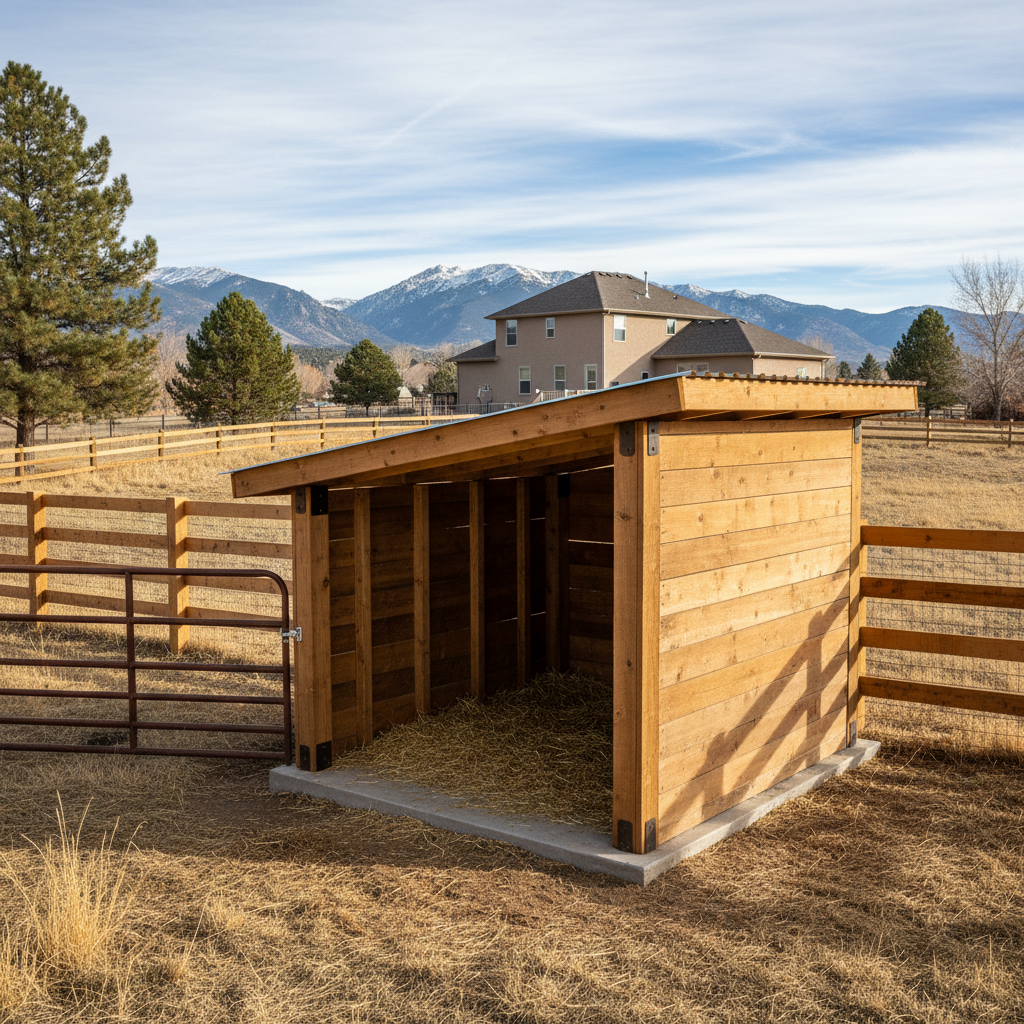
So, you're thinking about building a livestock shelter. Maybe it's for chickens, goats, or even a couple of horses out on that acreage you just bought north of town. That's great! Having animals can be a real joy, but building them a proper home isn't always as straightforward as it seems. I've seen my fair share of folks around Fort Collins jump into these projects without really thinking things through, and it almost always leads to headaches, extra costs, or worse, an unhappy herd.
Ignoring Local Zoning and HOA Rules
This is probably the biggest, most common mistake I see. You'd be surprised how many people just assume they can put up any structure they want on their property. But Fort Collins, like any city, has specific zoning ordinances about animal enclosures, setbacks from property lines, and even the size and type of materials you can use. If you're in a neighborhood like those out by Horsetooth Reservoir, or even some of the older, larger lots closer to town, you might have an HOA with even stricter rules. They might dictate color, roof pitch, or even ban certain types of animals altogether. You absolutely have to check with the City of Fort Collins Planning Department and your HOA (if you have one) before you even draw up plans. Getting a stop-work order or being forced to tear down a brand-new shelter is a nightmare, and it's completely avoidable.
Underestimating the Fort Collins Weather
Our weather here in Northern Colorado isn't exactly mild, is it? We get scorching summers, brutal blizzards, high winds, and sometimes hail the size of golf balls. A flimsy shelter built for a milder climate just won't cut it. I've seen shelters practically ripped apart by our spring winds coming off the Rockies. You need robust construction, proper anchoring, and materials that can withstand significant temperature swings and moisture. Think about insulation for winter, good ventilation for summer, and a strong roof that can handle heavy snow loads. Don't skimp on the foundation either; our expansive clay soils around here can wreak havoc on an improperly built slab or pier system.
Poor Site Selection and Drainage
Where you put that shelter matters a lot more than you might think. Many people just pick the most convenient spot without considering the long-term implications. You want a high, dry spot. If you build in a low-lying area, especially with our spring melt and summer thunderstorms, you'll end up with a muddy, unsanitary mess. Animals standing in mud are prone to hoof problems and illness. Think about natural drainage patterns. Can you direct runoff away from the shelter? Will the sun hit it to help dry out the ground? What about prevailing winds? You want to offer protection from the north and west winds, not expose your animals to them. Good site selection is critical for animal health and your sanity.
Not Planning for Growth or Future Needs
It's easy to start small, but animals have a way of multiplying, or you might decide to add more to your flock or herd down the road. Building a structure that's just barely big enough for your current needs is a common pitfall. You'll quickly outgrow it, and then you're faced with another construction project or trying to cram too many animals into a small space, which leads to stress and health issues. Think about future expansion, storage for feed and equipment, and easy access for cleaning. It's often more cost-effective to build a slightly larger or more adaptable structure upfront than to have to modify or rebuild later.
Hiring the Wrong Contractor (or DIYing Beyond Your Skill)
Look, I'm all for DIY projects, but some things are best left to the pros, especially when animal welfare and structural integrity are on the line. I've seen homeowners try to build these things themselves, only to end up with a leaning structure, a leaky roof, or a design that's completely impractical. And when it comes to hiring, don't just go with the cheapest bid. Look for someone with experience in agricultural structures or custom sheds. Ask for references, check their insurance, and make sure they understand the specific needs of livestock. A good contractor, like us at Fort Collins Custom Sheds, will ask you a lot of questions about your animals, your property, and your long-term goals. They'll also know about local codes and how to build something that lasts in our climate.
Don't be afraid to ask questions, do your research, and plan meticulously. Your animals deserve a safe, comfortable home, and you deserve a project that goes smoothly. A little foresight now can save you a lot of trouble and money down the road.