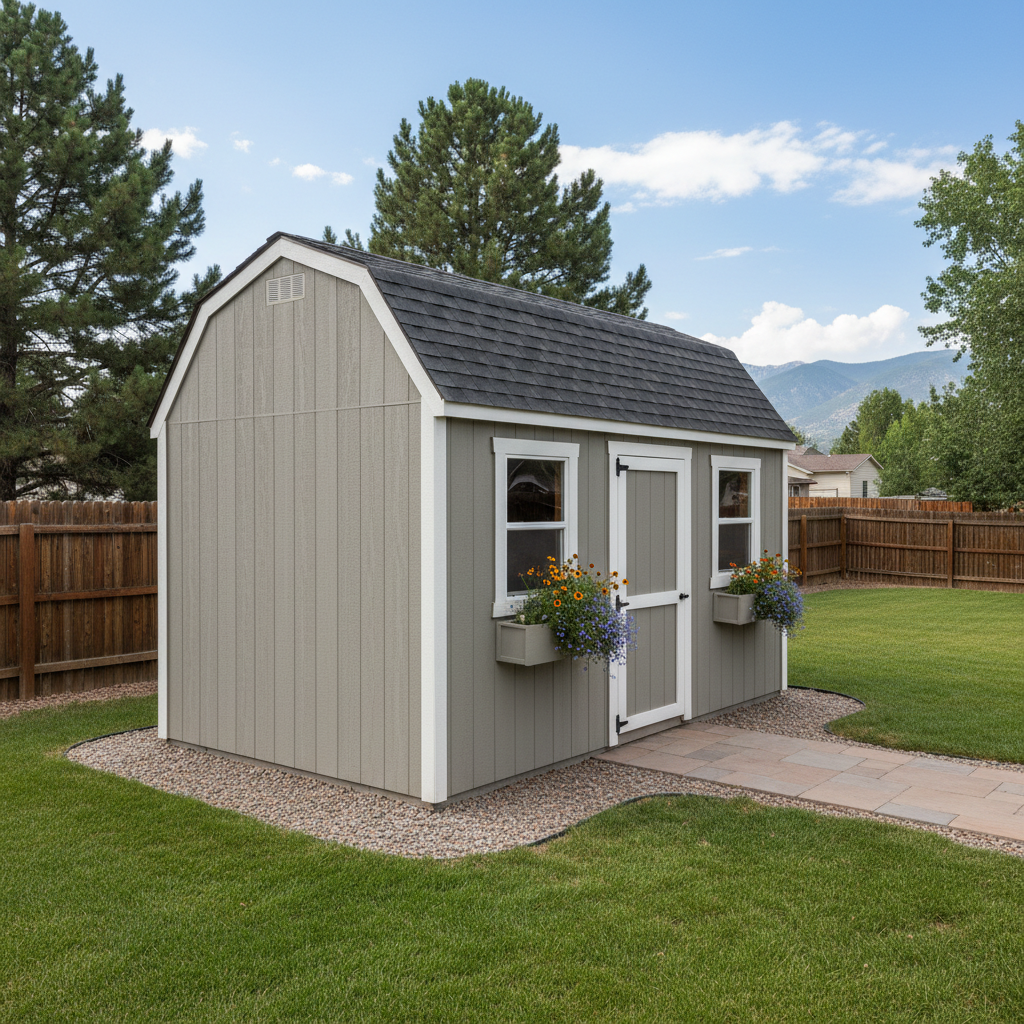
You're ready for a custom shed. Maybe it's for storage, a workshop, or even a backyard office. That's great! A well-designed shed can add a ton of value and utility to your home. But I've also seen plenty of folks make some pretty common, and often costly, mistakes when they're planning or hiring for these projects. Let's talk about what to watch out for so you don't end up regretting your investment.
Mistake #1: Not Really Knowing What You Need (or Want)
This is probably the biggest one. People often jump into looking at designs or getting quotes without a clear idea of what the shed will actually be used for. Do you need shelving for gardening tools, or a workbench for woodworking? Will you need electricity for power tools or just a light? How much natural light do you want? Is it just storage, or will you be spending hours in there? If you don't nail down the primary purpose and your functional requirements upfront, you're going to end up with a shed that doesn't quite fit. Then you're stuck trying to adapt it, or worse, wishing you'd done it differently.
Mistake #2: Ignoring Local Regulations and HOA Rules
Fort Collins has specific zoning regulations, setback requirements, and building codes. Your HOA, if you have one (and many neighborhoods around here, like the ones near Fossil Creek Reservoir, do), will almost certainly have their own rules about shed size, height, materials, and even color. I've seen projects get held up for weeks, or even require costly redesigns, because someone didn't check these things first. Don't assume. Call the city's planning department, and definitely read your HOA's covenants. A good contractor will help you navigate this, but it's ultimately your responsibility to know the rules for your property.
Mistake #3: Picking the Cheapest Bid Without Understanding Why
Everyone wants a good deal, I get it. But when you're comparing bids for a custom shed, the cheapest one isn't always the best. In fact, it's often a red flag. Is that contractor cutting corners on materials? Are they not including permits or site prep in their price? Do they even have proper insurance? I've seen guys quote ridiculously low prices because they're using flimsy siding, cheap roofing that won't last through a Colorado hail storm, or they're not factoring in proper foundation work for our expansive clay soils. Always ask for a detailed breakdown of costs and materials. If one bid is significantly lower than the others, ask why. You'll usually find the answer in what they're leaving out.
Mistake #4: Overlooking Site Preparation and Accessibility
A shed isn't just a box you plop down. It needs a proper foundation, and the site needs to be level and accessible. I've had clients who didn't consider how we'd get materials to the backyard, or they didn't realize their chosen spot was on a significant slope. This can add unexpected costs and delays. Think about drainage too – you don't want water pooling around your new shed. We'll always assess the site, but having an idea of these challenges yourself helps manage expectations and budget.
Mistake #5: Not Getting a Clear Contract (or Any Contract!)
This one seems obvious, but you'd be surprised. A handshake isn't enough for a custom shed project. You need a written contract that clearly outlines everything: the scope of work, materials to be used (brands, types, colors), the total cost, payment schedule, estimated start and completion dates, and what happens if there are changes or delays. It should also specify who is responsible for permits, site cleanup, and warranty information. A good contract protects both you and the builder. At Fort Collins Custom Sheds, we make sure everything is crystal clear before we even lift a hammer.
Mistake #6: Forgetting About Future Maintenance
A custom shed is an investment, and like any investment, it needs care. When you're designing, think about what kind of maintenance you're willing to do. Do you want a shed that needs repainting every few years, or would you prefer a low-maintenance siding like LP SmartSide or stucco? What about the roof? A metal roof might cost more upfront but will last longer and require less fuss than asphalt shingles. Factor in the long-term commitment when you're making material choices, not just the initial build cost.
Avoiding these common pitfalls will save you a lot of stress, money, and buyer's remorse. Do your homework, ask the right questions, and don't rush the process. You'll be much happier with the end result.